


Menu
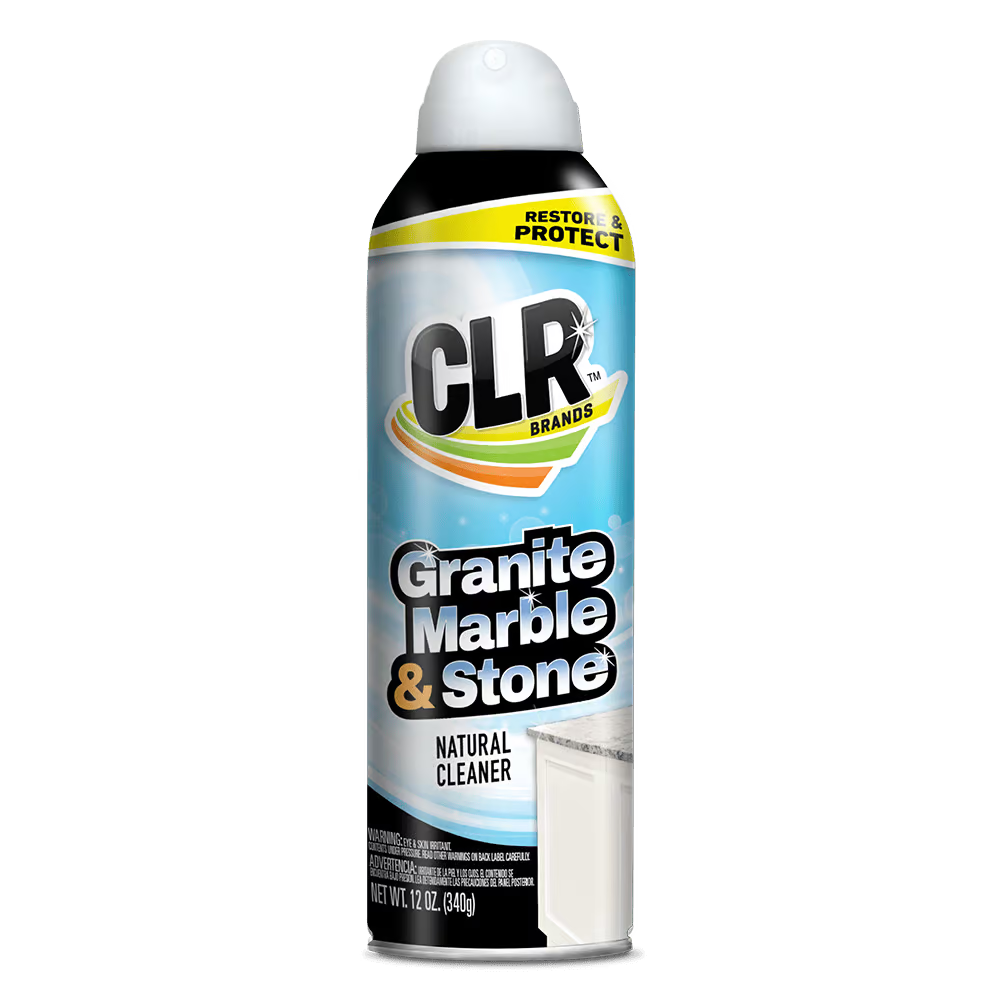
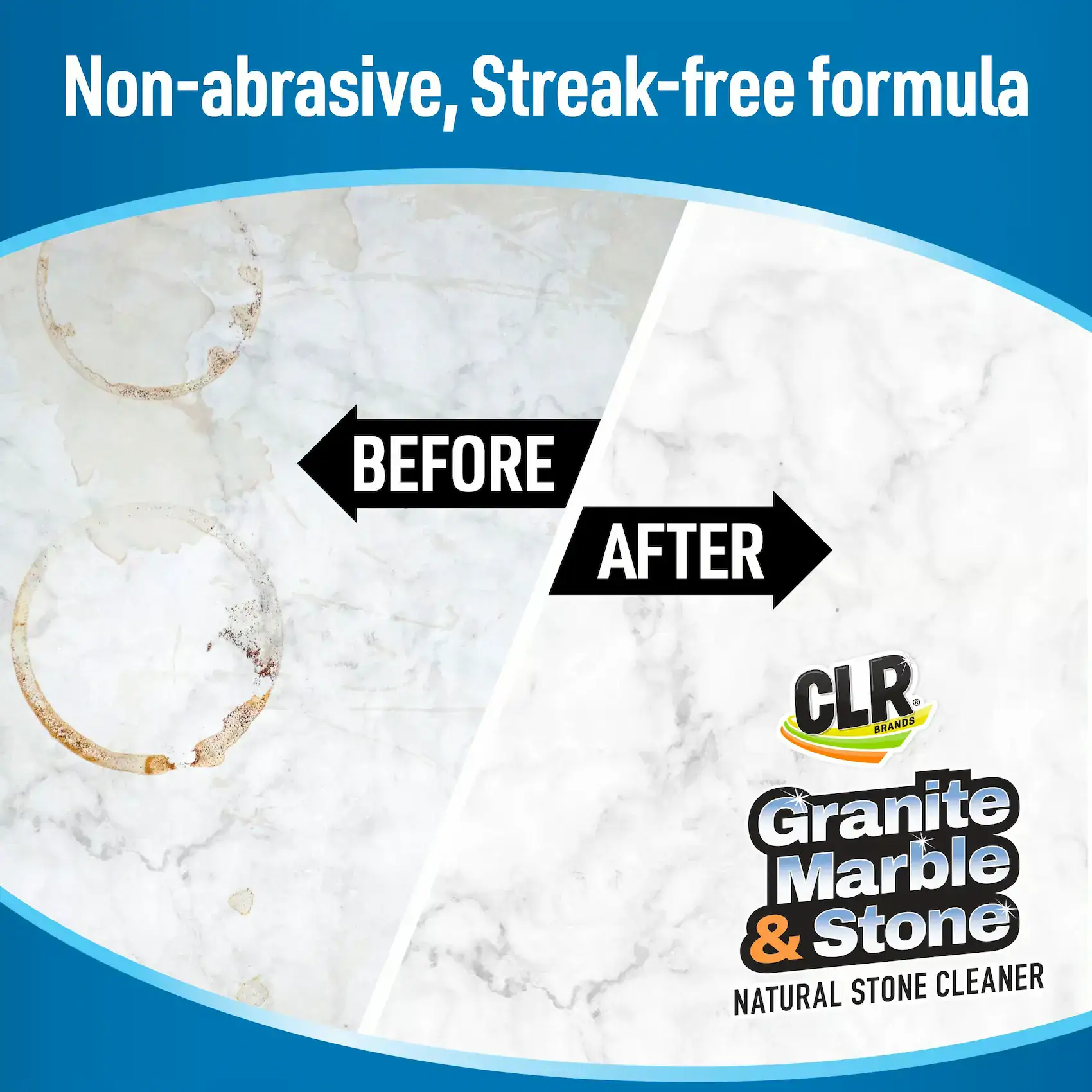
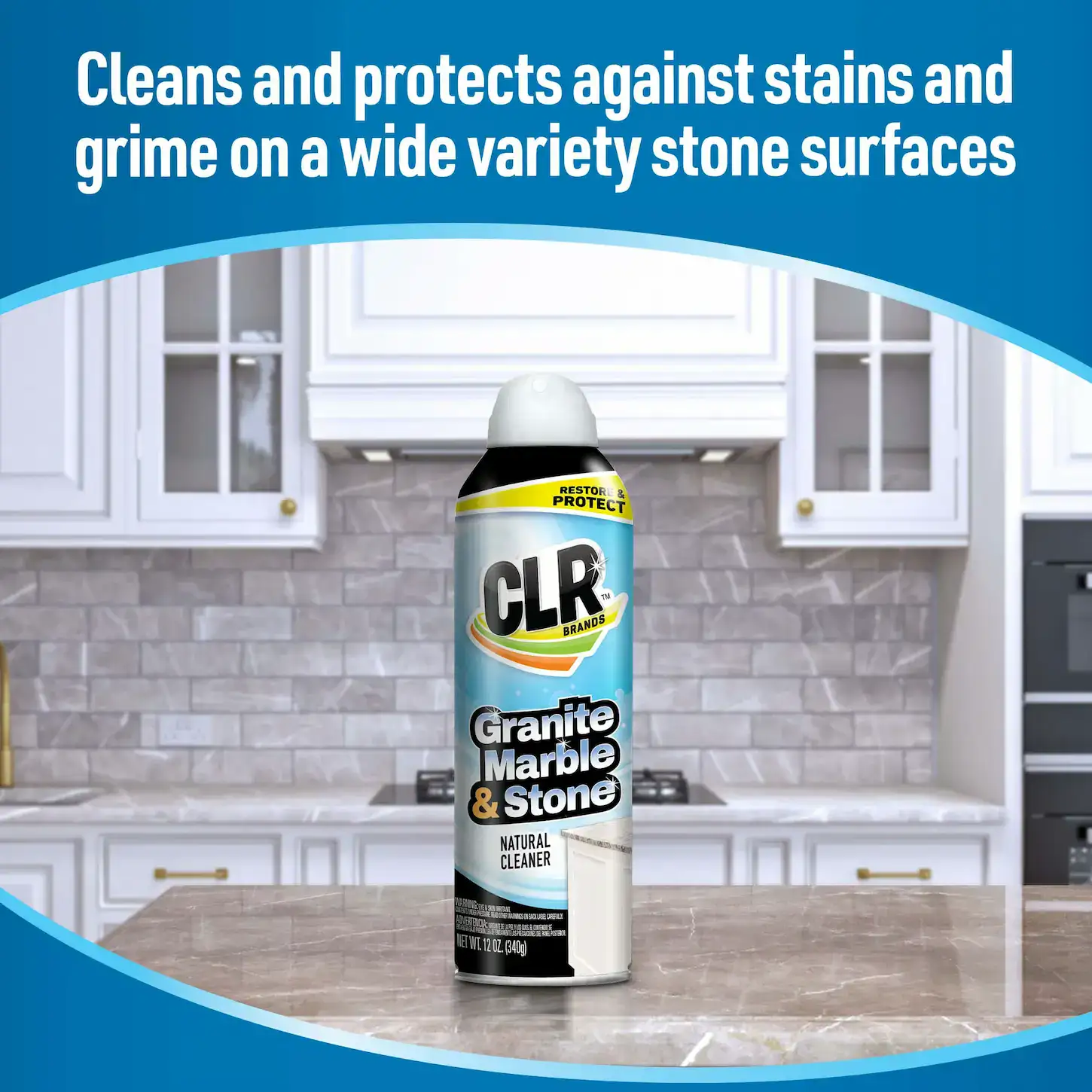
Specially formulated to clean & protect against spills, food and grime
Corian
Granite
Marble
Tile
Solvent: CAS #7732-18-5. Water is an effective solvent for dissolving dirt and grime due to attracting and lifting water-soluble substances.
Propellant: CAS #106-97-8. A compound of hydrogen and carbon, which is a component of natural gas. Commonly used as a propellant in aerosol dispensers to impart motion to another substance.
Propellant: CAS #74-98-6. A compound of hydrogen and carbon, which is a component of natural gas. Commonly used as a propellant in aerosol dispensers to impart motion to another substance.
Surfactant: CAS #1300-72-7. An organic compound that increases the ability of water to dissolve other molecules. It is also found in personal care products as a surfactant, to modify the surface tension of water, to aid in even spreading and to allow mixing with oil and dirt so that they can be rinsed away. As part of the EPA Safer Choice Program, it has been evaluated and determined to be safer than traditional chemical ingredients.
Surfactant: CAS #137-16-6
Corrosion Inhibitor: CAS #6834-92-0
Surfactant: CAS #84133-50-6
Surfactant: CAS 25322-68-3
Corrosion Inhibitor: CAS # 7632-00-0. It can be used as an additive in industrial greases, as an aqueous solution in closed loop cooling systems, and in a molten state as a heat transfer medium. It is also a common food preservative.
Please see specific disclosure information provided by the formulator/manufacturer: EU Fragrance Allergens
Fragrance: Mixture. Proprietary fragrance made in accordance with current global regulations.
Surfactant: CAS #126950-60-5
Fragrance Component: CAS #123-35-3.
California CPRKA Designated Lists
(1) California Proposition 65.
(9) IARC Carcinogens.
Fragrance Allergen: CAS #97-54-1
California CPRKA Designated Lists
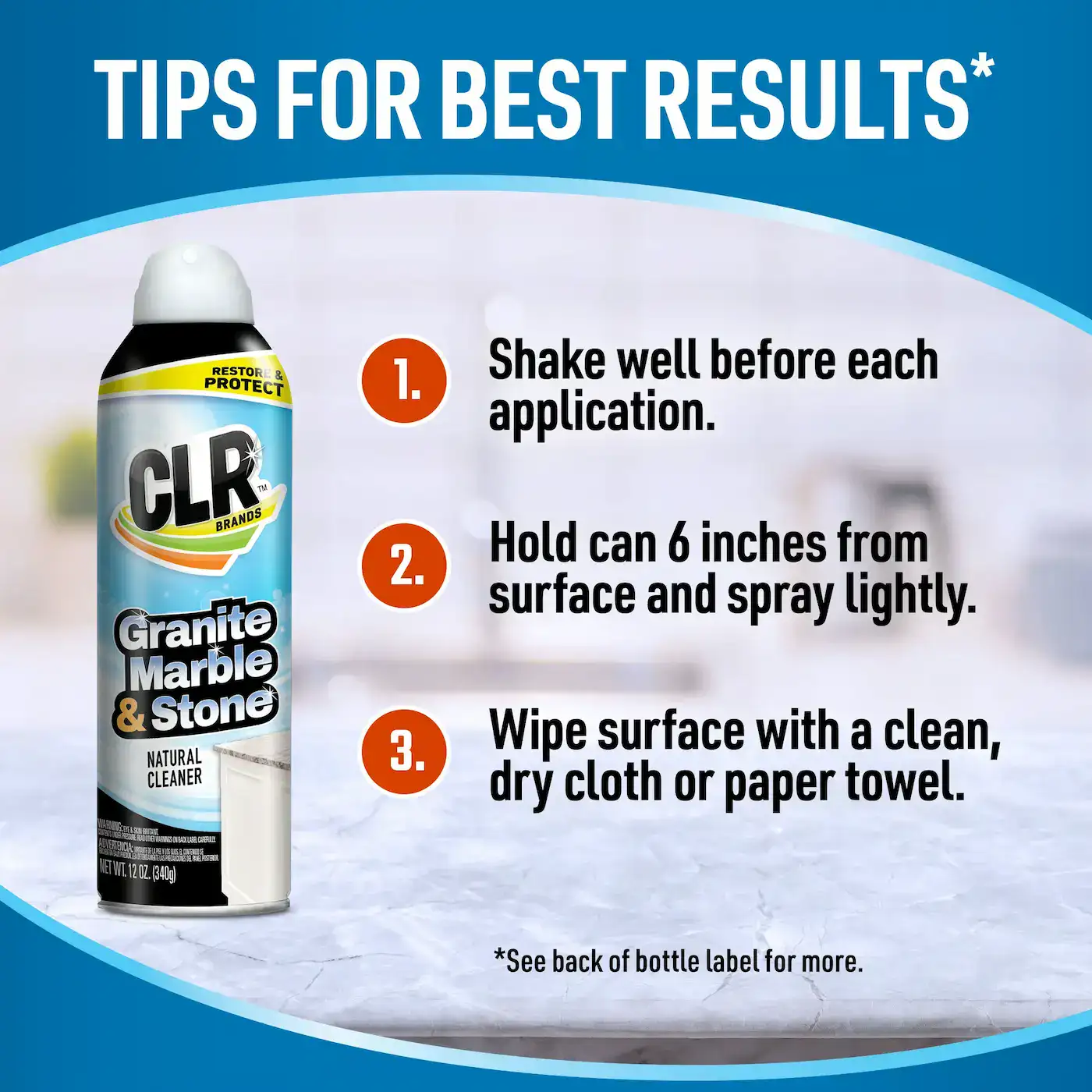
For hard to reach surfaces, spray product directly onto cloth and wipe. Heavily soiled surfaces should be wiped off prior to using Granite, Marble, and Stone.


Use a cleaner formulated specifically for natural stone like CLR Clean and Clear Stone. Acidic or abrasive products can remove the sealant and damage the surface, sometimes in ways that aren't immediately visible.
A granite-specific formula is pH-balanced so it cleans without stripping the sealant. Most general-purpose cleaners are not pH-neutral, which means regular use can gradually weaken the protective layer and make the stone more porous over time. For more on how to maintain stone surfaces long-term, see How to Deep Clean Your Home.
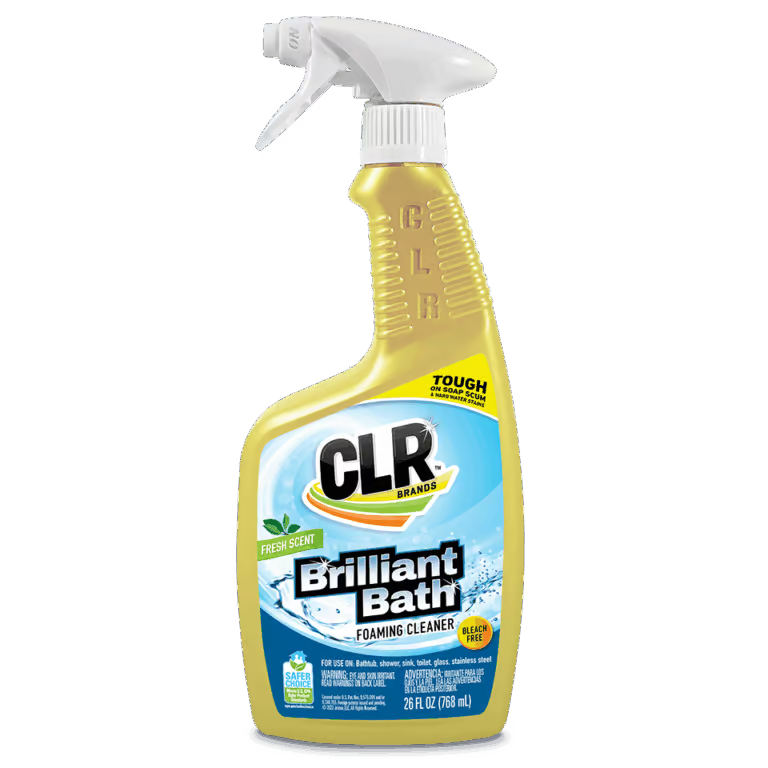
Avoid products containing bleach, ammonia, or acids, these can etch the surface and remove the sealant. This includes vinegar and most bathroom cleaners not formulated for stone. For hard water deposits near stone surfaces, CLR Brilliant Bath is a safer alternative, though it is recommended for granite only among natural stones.
Yes on tile, but grout requires a different approach. For white grout with calcium, lime, or soap scum buildup, CLR Brilliant Bath is the more effective option. Colored grout should be treated with extra care, as some cleaners can lighten it over time. For a step-by-step guide, see How to Clean Tile Grout on Floors and Showers.
Avoid multi-purpose cleaners not formulated for stone, even products that seem mild can degrade the sealant with repeated use. If grease or food buildup is collecting on countertops alongside stone surfaces, the indoor spring cleaning guide has practical tips for tackling both in one session.
Show More FAQs