


Menu

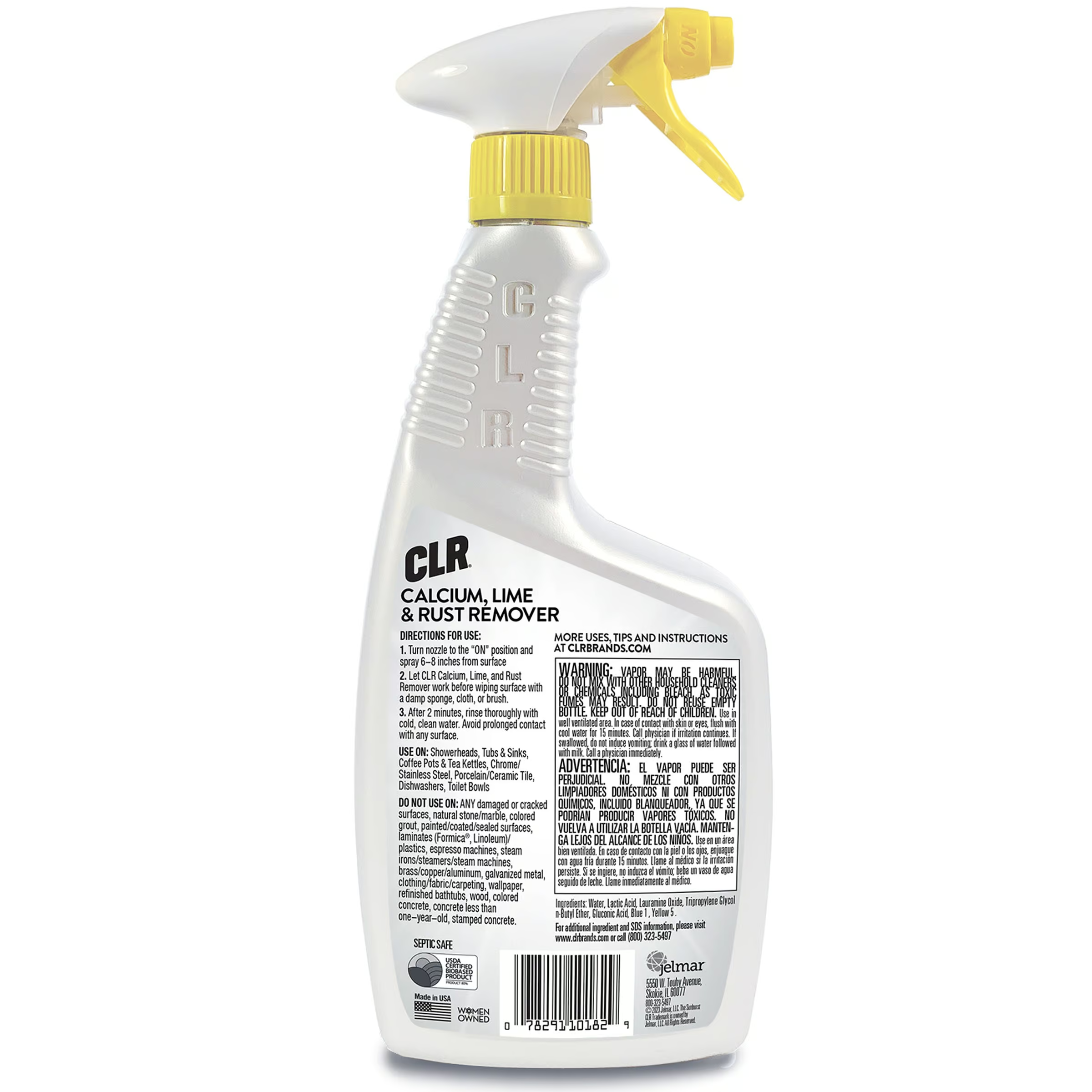
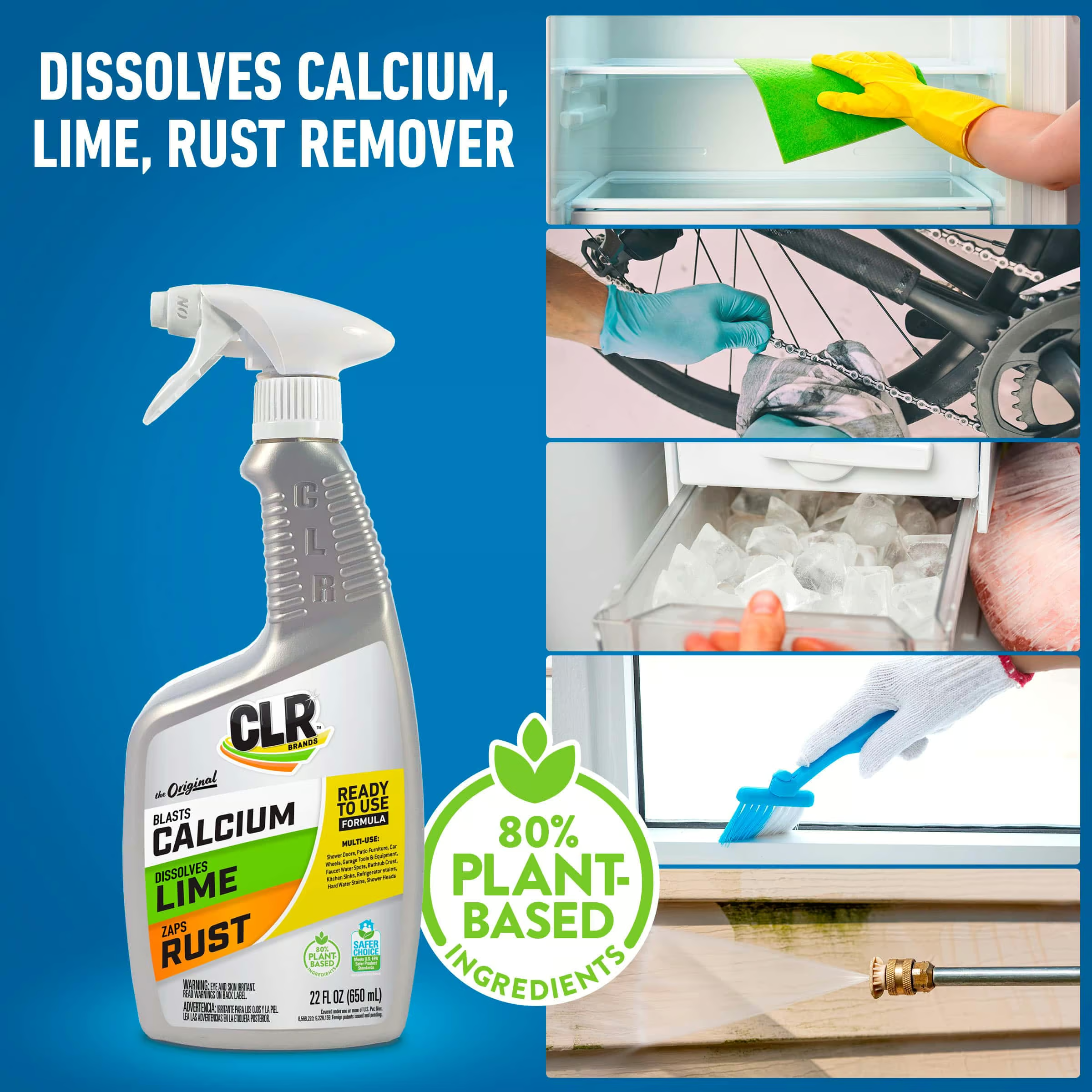
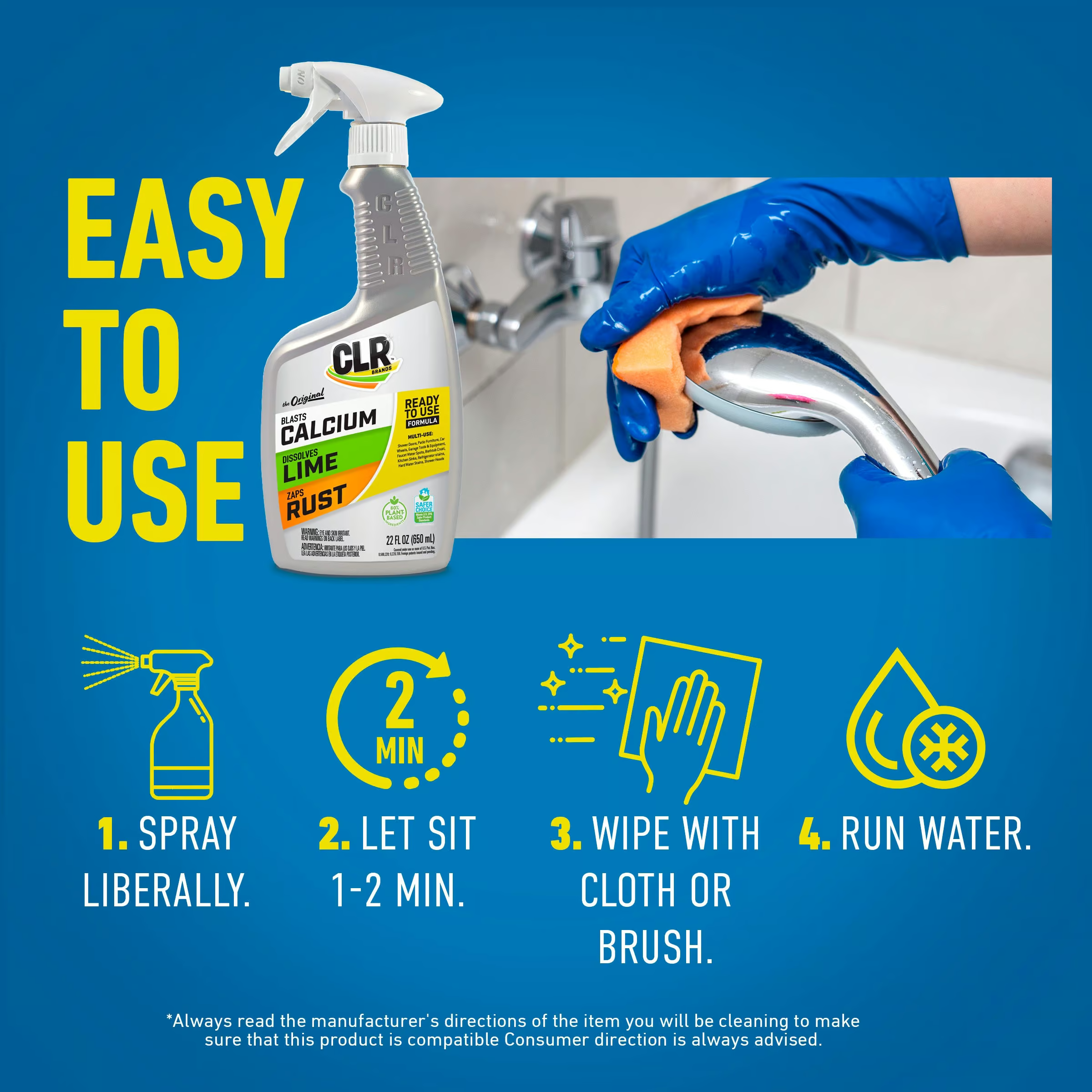
Ready-to-use and convenient for use on vertical surfaces.
Chrome
Fiberglass
Porcelain
Stainless Steel
Diluent: CAS #7732-18-5. Reverse Osmosis (RO) is a water treatment process that removes contaminants from water by passing the water through a membrane, (filter), where contaminants are filtered out yielding more pure quality water.
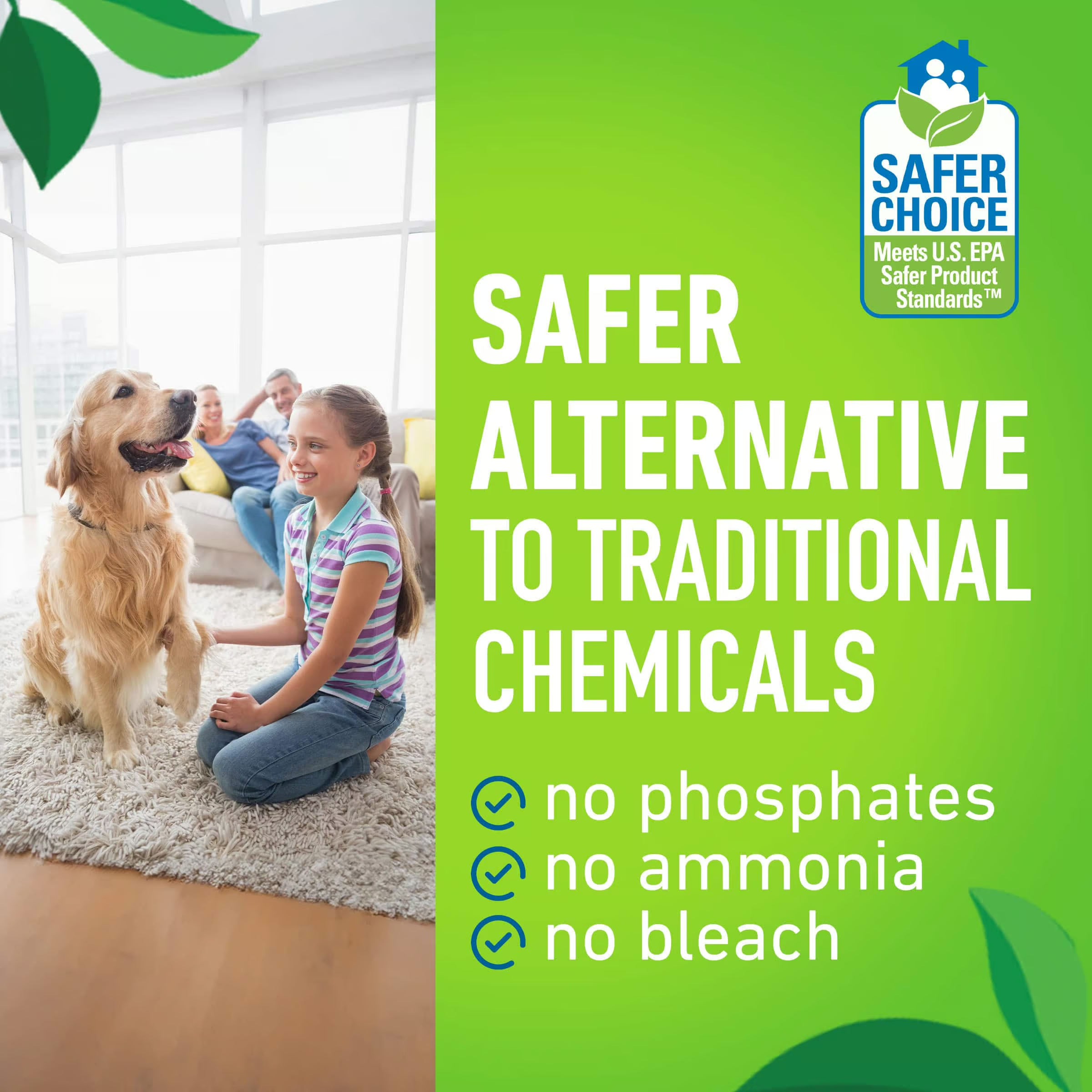
Chelating Agent: CAS #79-33-4. Lactic acid is found in many yogurts and cheeses. It is also produced in the muscles during intense activity. Commercially, it is produced by fermentation of simple sugars. In cleaning products it functions as a chelating agent; a compound that makes metals more soluble in water. As part of the EPA Safer Choice Program, it has been evaluated and determined to be safer than traditional chemical ingredients.
Chelating Agent: CAS #526-95-4. This ingredient is an acid formed from the sugar glucose, which naturally occurs in fruit, honey and wine. It is a chelating agent; a compound that makes metals more soluble in water. As part of the EPA Safer Choice Program, it has been evaluated and determined to be safer than traditional chemical ingredients.
Surfactant: CAS #1643-20-5. Used in cleaners to modify the surface tension of water, to aid in even spreading and to allow mixing with oil and dirt so that they can be rinsed away; it is included in many soaps, detergents, and several groups of antiseptics. As part of the EPA Safer Choice Program, it has been evaluated and determined to be safer than traditional chemical ingredients.
Solvent: CAS #55934-93-5. Used to slow down the evaporation of many liquid products including oven cleaners and inks for ball-point and felt-tip pens. It is very effective at absorbing organic material. As part of the EPA Safer Choice Program, it has been evaluated and determined to be safer than traditional chemical ingredients.
Colorant: CAS #1934-21-0. A synthetic lemon yellow dye used all over the world, primarily as food coloring. As part of the EPA Safer Choice Program, it has been evaluated and determined to be safer than traditional chemical ingredients.
Colorant: CAS #3844-45-9. A blue dye used for foods and other substances. As part of the EPA Safer Choice Program, it has been evaluated and determined to be safer than traditional chemical ingredients.
Calcium, Lime, and Rust Remover may etch older sinks, tubs, and tiles. Avoid contact with wood, clothing, wallpaper, carpeting, natural stones, brass, copper, aluminum, galvanized metals, any painted, coated or sealed surfaces. Clean spills immediately.


Calcium, Lime and Rust Remover can not only remove the finish off of brass, aluminum and copper, but can also pit certain grades of brass, copper and aluminum.
Do not use Calcium, Lime and Rust Remover on any natural stone or marble (including cultured marble), terrazzo, colored grout (any other color than white), any painted, coated, sealed or metallic glazed surfaces, plastics, laminates, Formica, Corian, aluminum, galvanized metals, nickel, oil rubbed bronze, brass, copper, steam irons, leaded crystal, refinished tubs or any damaged or cracked surface. Calcium, Lime and Rust Remover may etch older sinks, tubs and tiles. Calcium, Lime and Rust Remover is corrosive. Avoid contact with wood, clothing, wallpaper and carpeting. Some laminated surfaces (counter tops) are coated with a synthetic surface which may be affected by rust removers; clean spills immediately. Always spot test first on an inconspicuous area.
If it seems that the Calcium, Lime and Rust Remover did not help at all, the glasses may be etched and there is no remedy to remove the cloudiness from the glasses. The cloudiness is actually tiny cuts made in the glass by deposits in the water. The only thing that may remove the etching is a jeweler’s polish.
It is not recommended that Calcium, Lime and Rust Remover be used in steam irons. The acids in our products are not compatible with the components of steam irons, steamers or steam machines. We recommend contacting the manufacturer of your particular steam iron, steamer or steam machine for their recommendation for products safe and effective on their materials.
Calcium, Lime and Rust Remover should not be used in or on a car radiator. Calcium, Lime and Rust Remover may not be compatible with the materials associated with a radiator and it could have adverse effects if the Calcium, Lime and Rust Remover is not rinsed out completely.
We do not recommend using our Calcium, Lime and Rust Remover to remove oil. If Calcium, Lime and Rust Remover is mixed with oil, it will darken the concrete, which is very difficult to remove.
Show More FAQs