


Menu
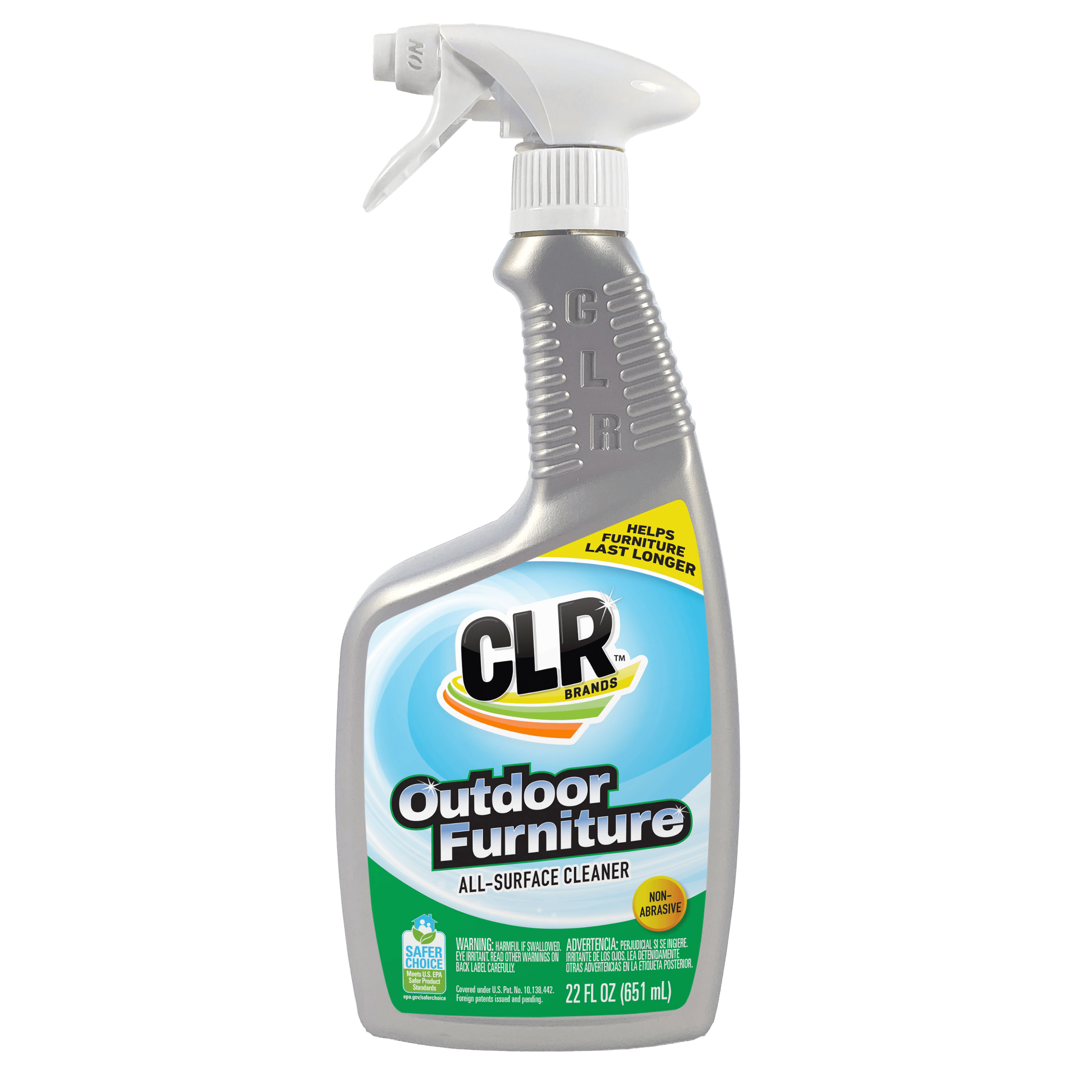

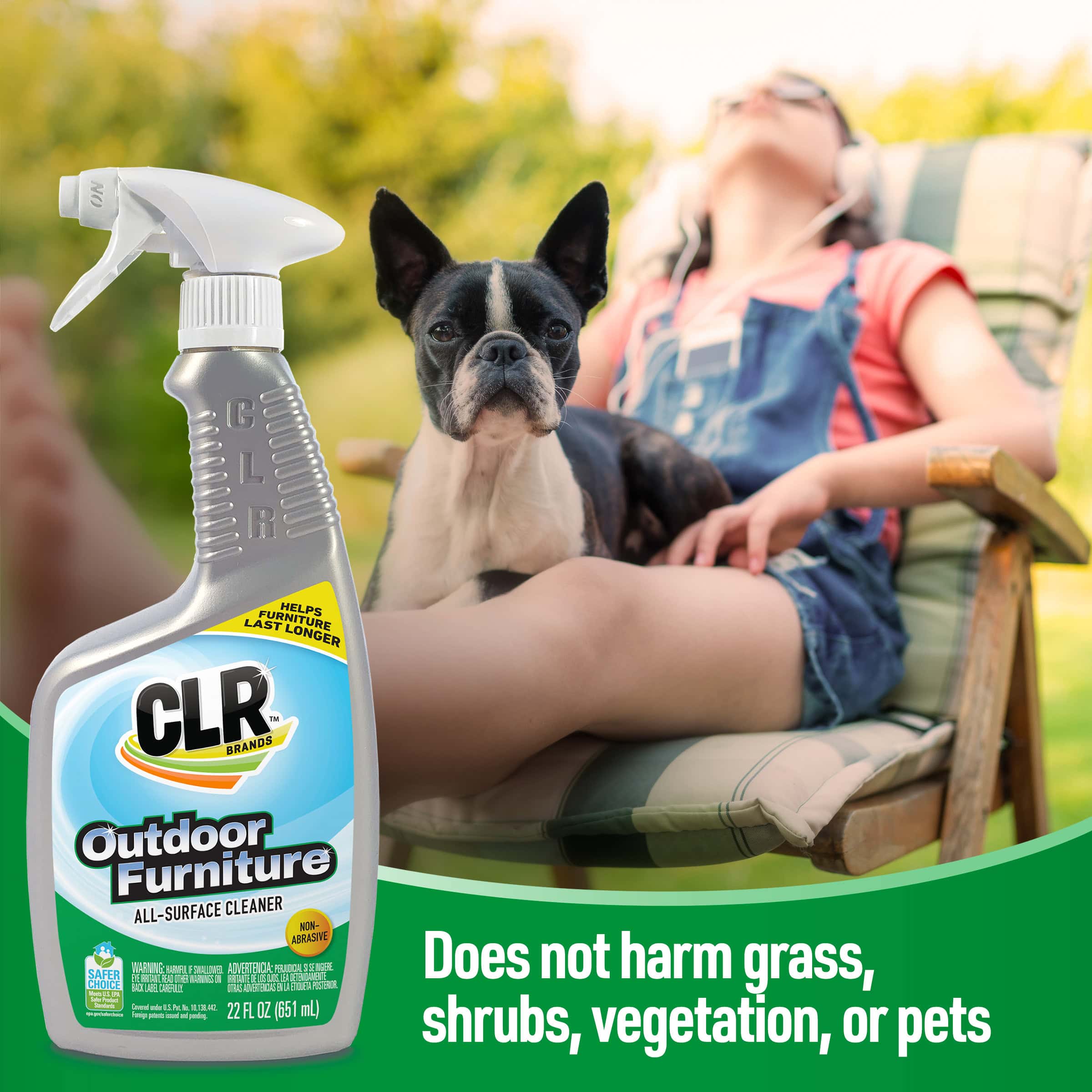
Specially formulated to remove outdoor dirt and grime quickly and easily.
Your outdoor furniture takes a beating: sun, rain, dirt, and grime add up fast. CLR Outdoor Furniture Cleaner cuts through built-up mess quickly and easily, so your patio looks its best without a lot of effort.
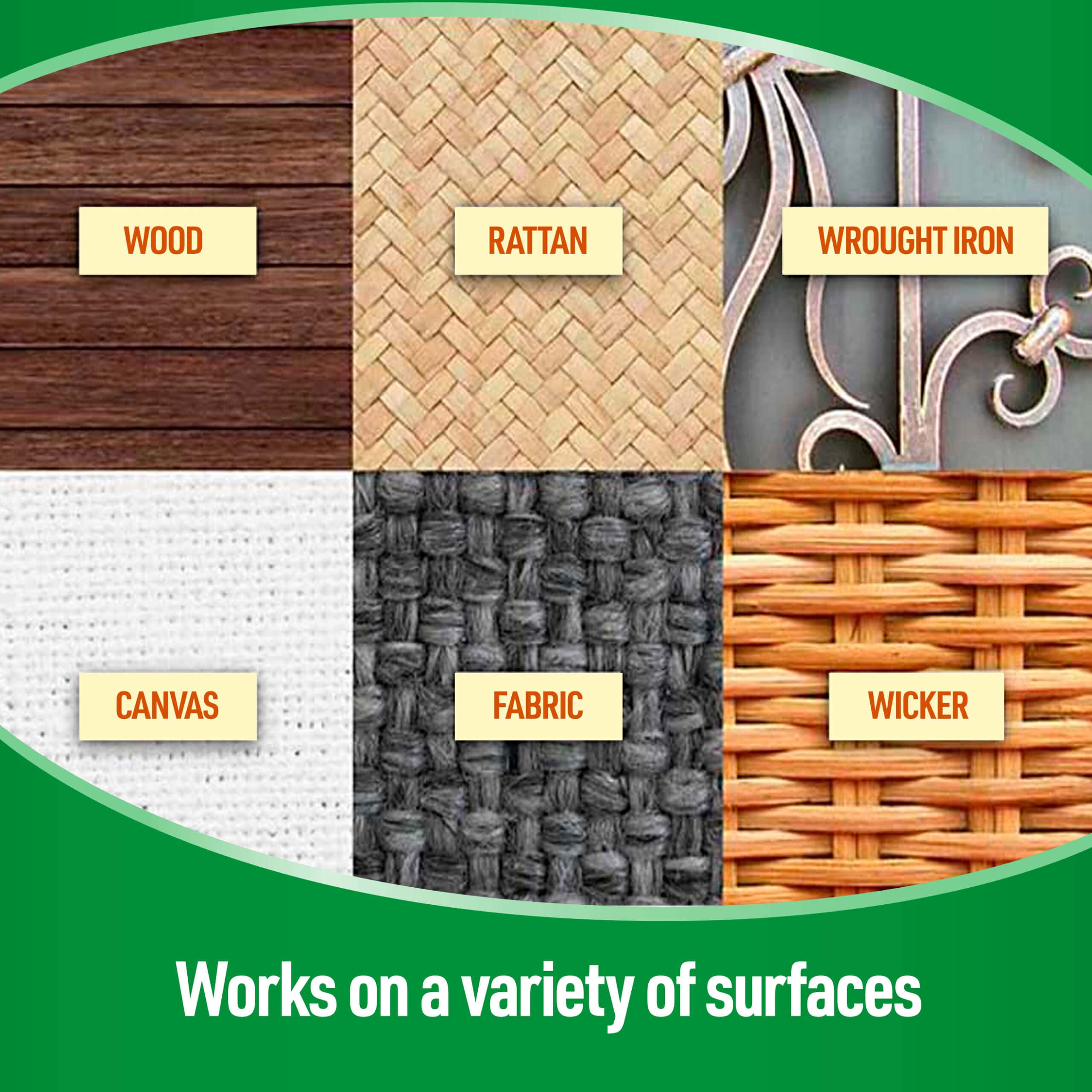
Canvas
Fabric
Plastic/Resin
PVC
Rattan
Wicker
Wood
Wrought Iron
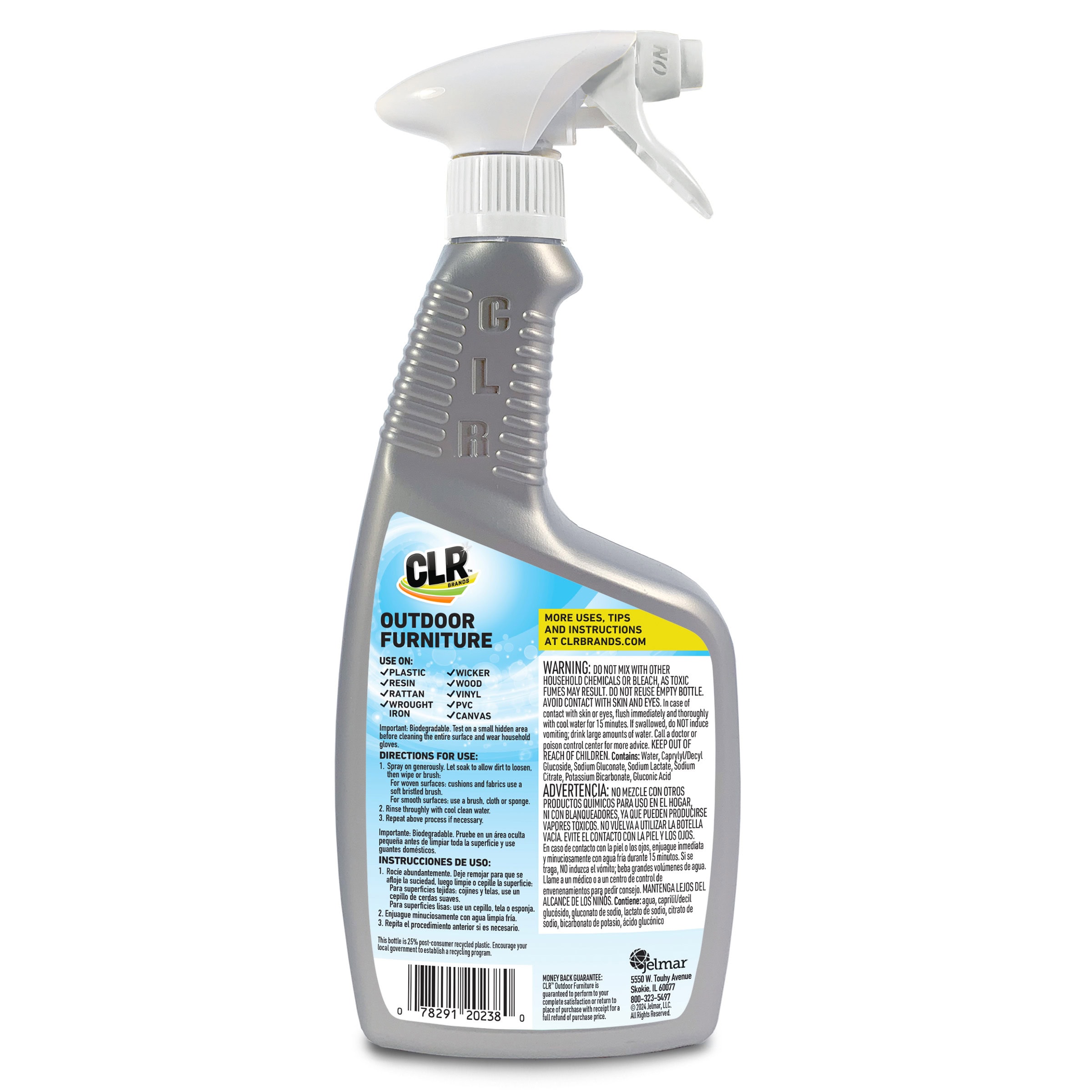
Diluent: CAS #7732-18-5. Reverse Osmosis (RO) is a water treatment process that removes contaminants from water by passing the water through a membrane, (filter), where contaminants are filtered out yielding more pure quality water.
Surfactant: CAS #68515-73-1. A mild, solubilising non-ionic surfactant which modifies the surface tension of water, to aid in even spreading and to allow mixing with oil and dirt so that they can be rinsed away. It is obtained from renewable raw materials: fatty alcohols and vegetable sugars. As part of the EPA Safer Choice Program, it has been evaluated and determined to be safer than traditional chemical ingredients.
Chelating Agent/Processing Aid: CAS #527-07-1. A salt of gluconic acid. It acts as a chelating agent that makes metals more soluble in water and is a processing aid commonly used in household cleaning products. It is often found in bar soap, sunscreen, shampoo, toothpaste and a variety of other products as well. As part of the EPA Safer Choice Program, it has been evaluated and determined to be safer than traditional chemical ingredients.
Moistening Agent: CAS #867-56-1. Derived from the natural fermentation of sugar. Sodium lactate is the sodium salt of lactic acid. It is sometimes used in liquid soap products, as it is an effective substance used to keep things moist. As part of the EPA Safer Choice Program, it has been evaluated and determined to be safer than traditional chemical ingredients.
Chelant: CAS #6132-04-3. Serves as a chelant to bind metallic ions, such as calcium and magnesium, and improve cleaning.
Cleaning Agent: CAS #298-16-6. Potassium Bicarbonate is an effective inorganic salt, that can be used as a replacement for sodium bicarbonate (baking soda). As part of the EPA Safer Choice Program, it has been evaluated and determined to be safer than traditional chemical ingredients.
Chelating Agent: CAS #526-95-4. This ingredient is an acid formed from the sugar glucose, which naturally occurs in fruit, honey and wine. It is a chelating agent; a compound that makes metals more soluble in water. As part of the EPA Safer Choice Program, it has been evaluated and determined to be safer than traditional chemical ingredients.
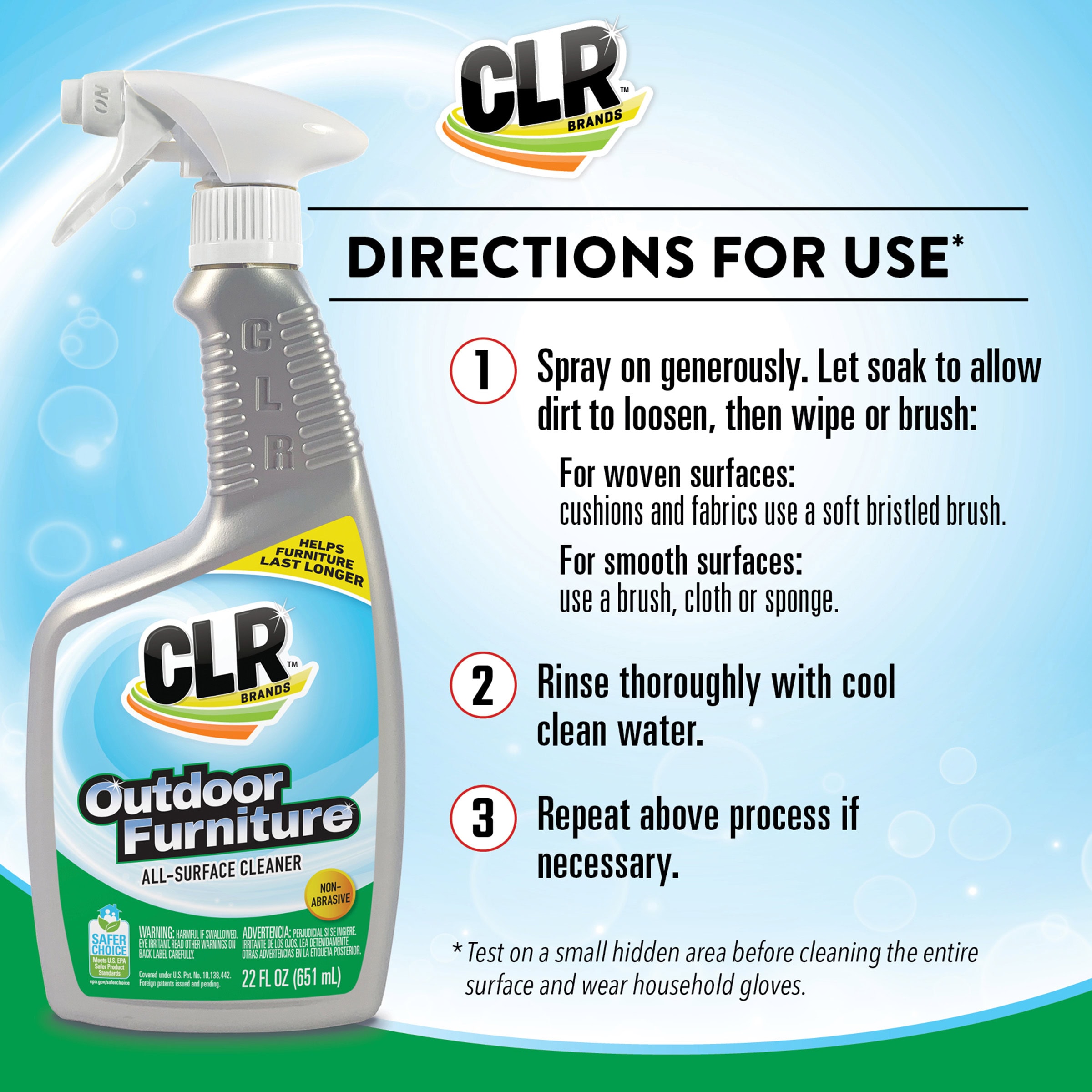
Test a small hidden area before cleaning entire surface.
Repeat above process if necessary.


On most outdoor surfaces, including resin, plastic, wicker, rattan, wood, wrought iron, vinyl, PVC, canvas, and fabric, cushions and awnings included.
No. Just rinse the furniture and surrounding area thoroughly with cold, clear water after cleaning.
Yes, the non-abrasive formula is designed to be gentle on surfaces, including colored resin.
While you're out there, it's worth checking the rest of your outdoor space too. If mold or mildew has settled into cushions, wood, or surrounding surfaces, we have a bleach-free option that handles those stains without harsh chemicals. And if you also have a grill to clean, we've got something for grease and burnt-on residues. So when the season rolls around, your whole outdoor space is ready to enjoy.
Show More FAQs